





















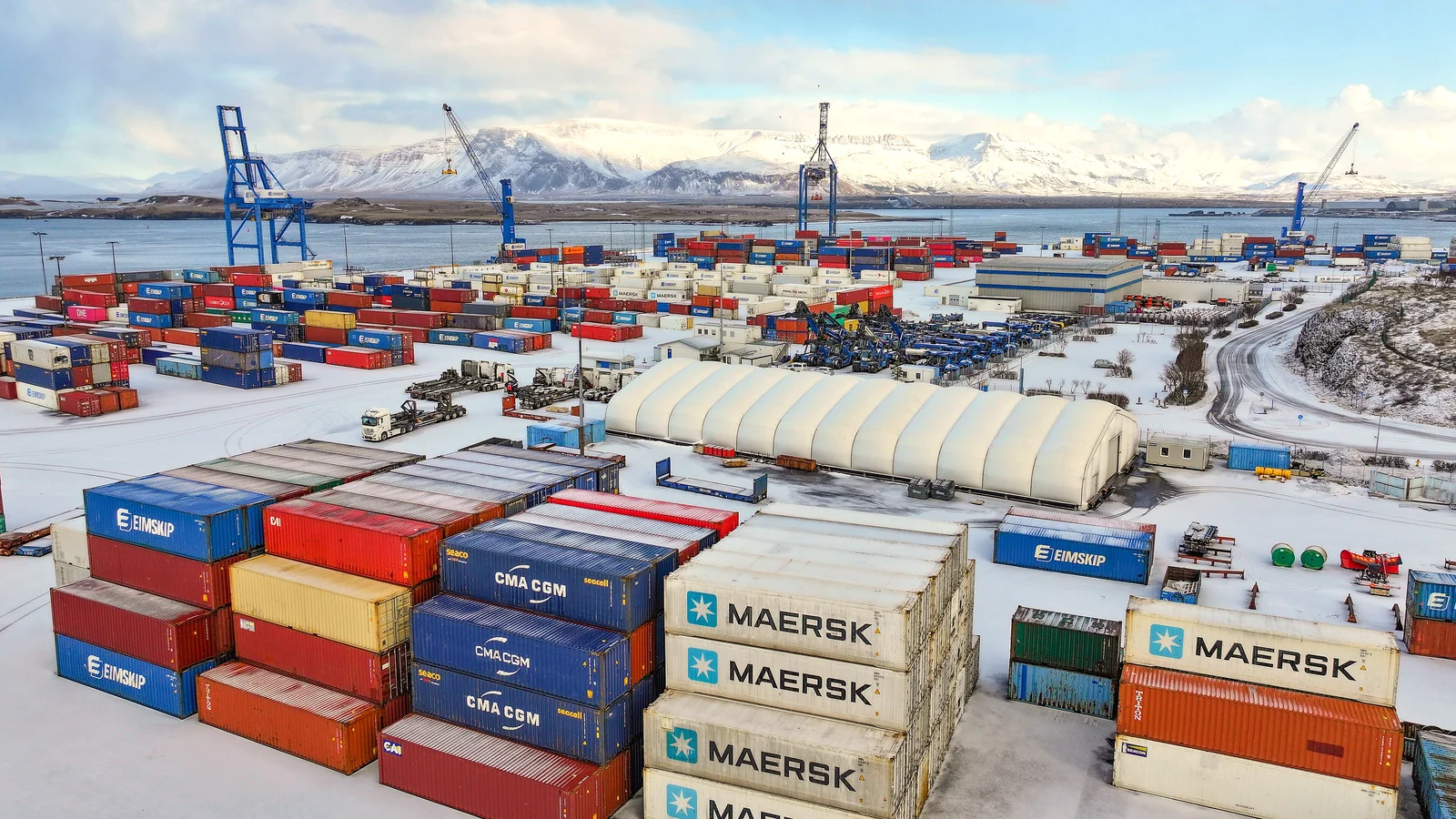
A freight rate is a moving target on the water. Shippers reviewing ocean transport expenses rarely deal with a single fixed number. Ocean freight quotes incorporate fuel adjustments, terminal tariffs, and route congestion before settling onto a final invoice. Calculating total expenditure requires examining equipment specifications, transit routes, terminal processing, and carrier pricing models. A thorough container shipping cost breakdown separates water transit from shore-side operations.
Equipment Types and Cargo Requirements
Box selection sets the initial baseline for freight rates. Standard dry containers carry general cargo such as electronics, clothing, and furniture. These units measure 20 feet or 40 feet in length by 8 feet in width and 8 feet in height. Because standard containers represent the bulk of ocean carrier fleets, base pricing for dry cargo remains the most competitive benchmark across global lanes.
Specialized freight requires modified equipment with higher baseline rates. Refrigerated units, commonly called reefers, maintain controlled internal temperatures for sensitive perishables such as fresh produce or pharmaceuticals during transit. These specialized containers command higher freight rates because they cater specifically to temperature-sensitive cargo.
Heavy and irregular cargo demands non-standard handling profiles. Open top containers feature removable tarps, allowing cranes to load oversized cargo through the top opening. Flat rack containers feature collapsible sides to accommodate oversized equipment or vehicles requiring side loading or extra width during transit. Carriers assess higher rates on open top and flat rack equipment because handling and transporting non-standard dimensions requires extra space and specialized operational planning.
Route Dynamics and Regional Equipment Imbalances
Transit distance forms the primary basis for carrier operating costs. Longer oceanic routes consume more marine fuel, accumulate higher labor fees, and incur canal tolls. When voyages encounter port congestion or geopolitical issues along specific corridors, the resulting transit extensions drive up fuel consumption, crew expenses, and related expenditures that elevate overall shipping prices.
Regional equipment availability heavily influences ocean freight pricing across major trade corridors. Strong export demand at origins quickly depletes available container inventories. When shippers compete for a limited supply of equipment in high-demand regions, carriers charge a price premium to secure empty boxes. Conversely, destination ports frequently accumulate excess empty containers after inbound cargo discharges. Carriers often offer discounted freight rates on outbound backhaul routes to incentivize shippers to move those surplus boxes back to key manufacturing centers. Industry publications and carrier advisories report these equipment imbalances regularly.
Core Elements of Ocean Freight Rates
Base ocean freight rates form the first major expense on any booking. Shippers choose between FCL vs LCL shipping depending on their cargo volume. Full Container Load (FCL) bookings give a single shipper exclusive access to the container. This arrangement lowers the per-unit shipping expense on volume moves. Less than Container Load (LCL) bookings allow multiple shippers to share space within a single box. This option accommodates smaller shipments, though freight forwarders bill higher per-unit handling fees for the consolidation work. Maersk notes that once a shipment reaches a certain size, a full container can be worth a slightly higher price for benefits such as faster transit.
Fuel surcharges create ongoing rate fluctuations across liner contracts. Ocean carriers assess a bunker adjustment factor (BAF) to pass shifts in marine fuel prices directly to cargo owners. BAF formulas adjust periodically based on bunker price monitoring across international bunkering ports.
Port authorities and marine terminals charge separate origin and destination port fees. Terminal handling charges (THC) cover the labor and equipment required for vessel stevedoring, quay handling, and temporary yard storage at marine facilities. Documentation fees cover the administrative cost of processing and issuing shipping documents, including bills of lading. Customs brokers bill separate customs clearance fees to prepare import entries and process regulatory inspections based on cargo value and commodity classification.
Cargo insurance protects financial exposure against transit hazards. Selecting cargo insurance (all-risk vs total loss only) determines how much financial exposure shippers retain during maritime transit. All-risk coverage provides comprehensive financial protection against partial cargo damage, water damage, fire, and theft. Total loss only coverage pays benefits exclusively if an entire vessel or consignment suffers total destruction. The policy excludes minor or partial transit losses, which keeps the upfront premium lower.
Practical Methods for Managing Container Expenses
Every line in a container shipping cost breakdown can be pushed down a little, and the levers below are the usual ones. Freight consolidation offers practical savings for volume-constrained businesses. Shippers pooling small consignments into consolidated LCL shipments pay only for the space their cargo occupies, avoiding the expense of underutilized full containers. Once shipment volumes grow sufficiently large, transitioning to an exclusive FCL container lowers the per-unit transportation expense and streamlines handling.
Intermodal freight transport combines maritime shipping with rail and truck networks to control inland distribution costs. Combining the fuel efficiency of rail with ocean capacity reduces transportation costs over long domestic corridors. Intermodal routing also cuts down on redundant staging and interim depot storage without sacrificing delivery times or service quality.
Direct carrier negotiations yield better commercial terms when backed by consistent shipping volumes. Cargo owners with predictable shipping patterns secure lower contract rates by committing regular cargo flows along specific port pairs. Shippers with flexible dispatch schedules can also book off-peak sailings to capture lower rates on surplus vessel capacity. Comparing ocean freight rates across competing carriers and checking how much of the box the cargo really fills with a load plan both feed into route planning. The costs that sit beyond the freight line are covered in Navo’s Landed Cost 101.
Shipping Market Dynamics and Rate Volatility
Ocean container rates fluctuate in response to broader shifts across international trade networks. Container prices have experienced sustained periods of elevated rates driven by global supply chain disruptions, severe port congestion, regional equipment shortages, and pandemic-era operational backlogs. As supply chains adapt, analysts and industry observers track these ongoing disruptions to gauge when freight rates will achieve gradual stabilization across major lanes. Shippers who monitor market movements and understand cost structures protect their margins against unexpected freight rate changes.
Frequently asked questions
What makes up the cost of shipping a container?
The base ocean freight, a bunker adjustment factor for fuel, terminal handling charges at both ends, documentation fees for the bill of lading, customs clearance fees from the broker and, if you buy it, cargo insurance. Inland trucking or rail comes on top.
Why do reefer and flat rack containers cost more?
They need special equipment and planning. A reefer keeps cargo at a set temperature for the whole voyage, and open top or flat rack units carry oversized loads that take extra space and handling, so carriers price them above a standard dry box.
Is LCL cheaper than FCL?
Per shipment, usually yes for small volumes, since you pay only for the space you use. Per unit, FCL wins once the cargo fills most of a box, because consolidation and extra handling push LCL charges up.