





















Under 46 CFR 515.21, and with the exceptions the part allows, a company may not advertise, hold itself out or act as an ocean transportation intermediary until it furnishes a bond, proof of insurance or other surety. So a shipper trying to find a good freight forwarder for ocean cargo to or from the United States can check one thing before the first quote: has the company filed that surety? The FMC publishes a list of those that have.
What the license and the bond cover
Two kinds of ocean transportation intermediary answer to the Federal Maritime Commission (FMC). The first is the ocean freight forwarder, which dispatches shipments from the United States on a common carrier and books or arranges space for shippers. The second is the non-vessel-operating common carrier (NVOCC). It runs no vessels and is a shipper in its relationship with the ocean carrier, yet it sells space on the carrier’s ships, issues bills of lading and collects freight from shippers to pay the carriers, according to the regulation.
The amounts differ: $50,000 for a forwarder, $75,000 for a US-based NVOCC. Every proof filed so far, the FMC says, has been a surety bond from a company on the Treasury’s approved list.
A shipper with damages from the intermediary’s transportation-related activities may seek payment from that bond under 46 CFR 515.23. Carriers and other affected persons may as well. The claim goes to the surety and the intermediary at the same time. Money may be available if the intermediary agrees, or if 45 days pass without an answer and the surety deems the claim valid.
The bond does not grade service. Rates, transit times and handling are still the shipper’s call.
Where to check, and what a lapse looks like
The FMC publishes an OTI list of intermediaries that have met its requirements. An NVOCC with no active Form FMC-1 on file is treated as non-compliant and is left off.
Bonds end. The surety or the intermediary can cancel one, and cancellation takes effect thirty days after the notice reaches the FMC. A license is revoked thirty days after that notice, the commission issues an Order of Revocation, publishes it in the Federal Register and removes the name from the list.
The FMC’s listing of revocations and surrenders for May 2025 has 26 entries. Twenty-one give failure to maintain a bond as the reason, and five are voluntary surrenders. Some rows note that another license of the same company remains active, so a lapse can hit one of a company’s two licenses.
A license number printed on a quote form does not show that the license is current. That takes a lookup on the FMC list on the day you book, and it is the cheapest step in how to find a good freight forwarder.
What the Double Ace settlements show about who holds the license
Double Ace Cargo Inc., a Florida NVOCC, paid the FMC $115,000 in a June 2023 compromise agreement. A second investigation, completed in early 2024, ended with $50,000 more. Both settled alleged violations of 46 U.S.C. 41104(a)(11): transporting shipments on behalf of entities that were not licensed NVOCCs, had no bonds and published no tariffs. Double Ace also agreed to pay for an independent monitor for 12 months, ending in May 2025.
The FMC’s wording puts the missing licenses and bonds with the entities whose cargo Double Ace moved. When you buy through a middle layer, ask which company issues the bill of lading and look that company up too (my advice, not the FMC’s). Once the booking is made, the same document number is what you use to track the container by bill of lading.
Ask how the forwarder spreads its carriers
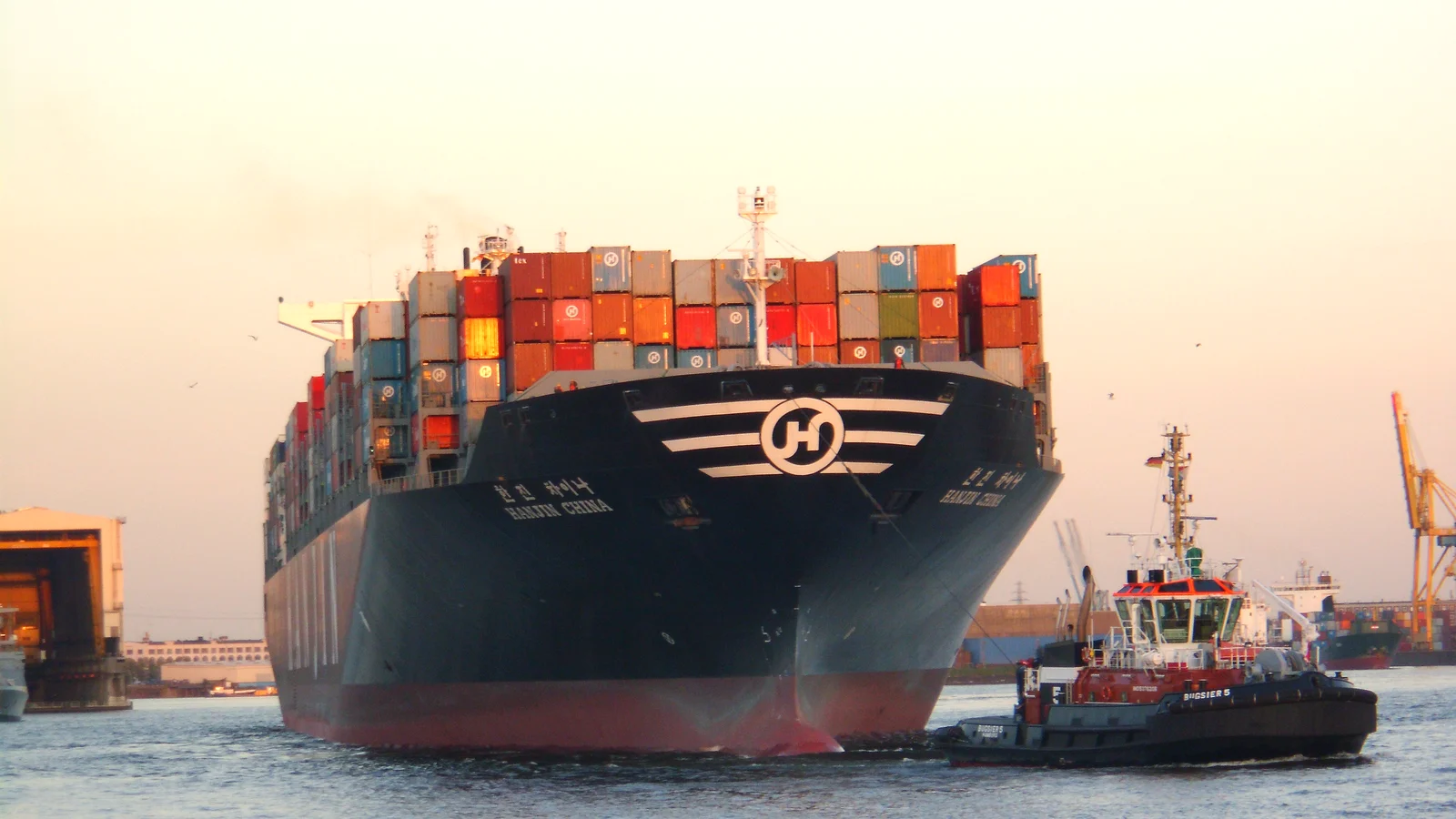
In 2016 Hanjin Shipping, then the seventh-largest container carrier in the world, went bankrupt and immediately ceased operations, according to the GAO’s 2020 review. Fifteen stakeholders told the GAO about delays and extra costs. Hanjin halted vessels at sea for fear of arrest on behalf of creditors, they explained. Some port facilities were reluctant to offload Hanjin cargo until they were paid. Some cargo owners paid for offloading and release that their fees to Hanjin may already have covered. Most delays cleared in 4 to 8 weeks. A chassis shortage and other issues lingered up to three months longer. As of 2020 the GAO noted that some companies were trying to limit how much cargo they ship with any one carrier.
NVOCCs were caught too. Hanjin filed in South Korea on 31 August 2016, and on 23 September a US bankruptcy judge agreed that NVOCCs should be covered by part of a protective order. The litigating NVOCCs named in the report included Kuehne + Nagel, Apex Maritime and Dynamic Worldwide Logistics, and the order was meant to help release tens of thousands of containers trapped on Hanjin vessels and terminals. An NVOCC’s own license record does not settle what happens when a carrier fails. For shippers deciding how to find a good freight forwarder, my suggestion (not a finding of the GAO or the court) is to ask each candidate which carriers move its volume on your lane and what share one line holds.
Frequently asked questions
A company calls itself an NVOCC, but I cannot find it on the FMC OTI list. Is it unlicensed?
Possibly not compliant. The FMC list holds only intermediaries that have met the commission's requirements, and an NVOCC with no active Form FMC-1 on file is treated as not in compliance and left off. Ask the company for its license number and its current FMC-1 before you book.
My NVOCC is based outside the US and is registered with the FMC without a license. What bond does it carry?
The regulation sets $150,000 for a registered NVOCC, double the $75,000 for a US-based one. It also makes a registered NVOCC strictly responsible for the acts and omissions of its employees and agents, wherever they are located.
My cargo moves in the US-China trade. Does the extra $50,000 on an NVOCC bond cover my losses?
The FMC describes that optional rider as money available to pay fines and penalties imposed by the Chinese government for activities in the US-China trades. It does not describe the rider as a fund for shippers' cargo claims, so ask the NVOCC what its bond and insurance cover for your goods.