















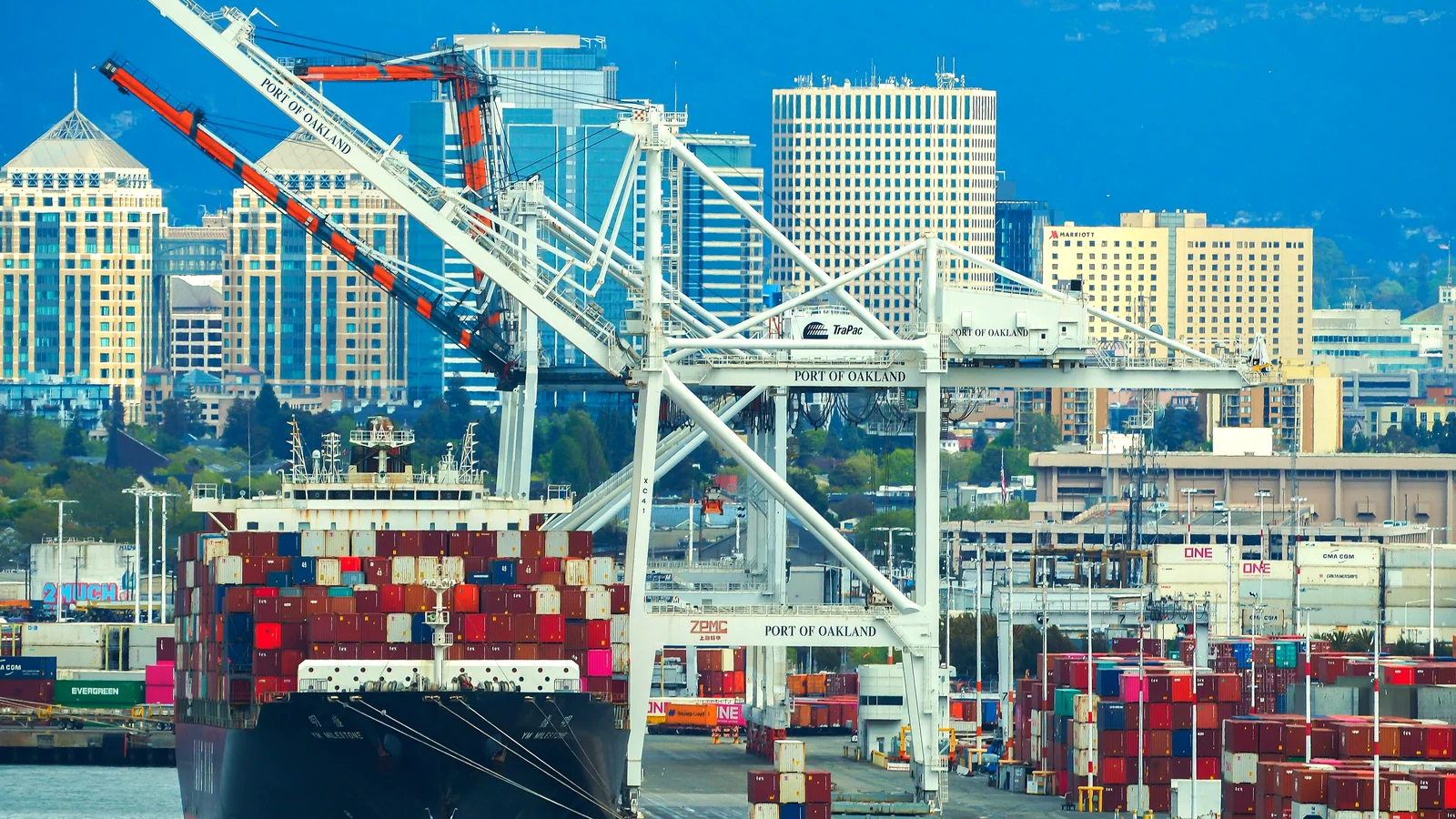
Transshipment hub ports operate at points where global sea lanes intersect. Standard commercial terminals receive cargo meant for their immediate domestic hinterland. Transshipment hub operations function differently, serving as dedicated interchanges for mother vessel transshipment. Massive container vessels up to 100,000 DWT require deep water that shallow coastal docks cannot provide. They require deep basins with drafts exceeding 14 meters. At these deepwater quays, large ocean-going vessels discharge hundreds of boxes onto the wharf. Cranes reload those containers directly onto smaller feeder vessels instead of letting them sit in holding yards for weeks. That rapid transfer sustains the entire transshipment system.
Deep Basins and Feeder Port Networks
Depth dictates maritime access. A harbor with less than 14 meters of water turns away the largest ocean carriers. Facilities in Rotterdam, Singapore, and Dubai maintain the necessary drafts, giving linehaul vessels a secure berth along major trade routes. Rotterdam guides its deepest container ships through the Eurogeul, a dredged North Sea channel with a guaranteed depth of 25 metres, and in December 2020 the Marie Maersk left there with a record draught of 17.4 metres, according to the Port of Rotterdam.
Once a 100,000 DWT mother ship docks, regional distribution begins. This is where feeder port networks handle the secondary leg of transit. Smaller feeder vessels, built with shallower drafts and modest capacities, pull alongside the main terminals. They take on containers, liquid bulk, or dry bulk cargo bound for domestic industrial centers. These regional feeder ports have limited channel depth and crane clearance, yet their proximity to industrial plants provides immediate regional access. Completing the transport chain this way keeps smaller coastal harbors operational at their natural depths.
Customs Warehouses, Free Trade Zones, and Berth Utilities
A hub port is far more than a basic storage yard. A standard commercial warehouse handles unloading, pallet picking, sorting, and local dispatch. Hub terminals manage those standard steps alongside heavy maritime maintenance and regulatory administration.
Customs warehouses within the port perimeter allow cargo inspection, vessel maintenance, and multi-direction container distribution under official supervision. These designated spaces frequently connect directly to free trade zones. Freight forwarders store, inspect, and organize bulk shipments or consolidated cargo within these specialized terminal facilities.
Vessels also use their port calls to restock. As container cranes work overhead, dockside teams pump bunker fuel and replenish drinking water. Technicians carry out repair services. Ships complete crew rotations before returning to open water. Combining freight handling with marine maintenance prevents ships from making separate stops for fuel and provisions.
Multimodal Freight Consolidation and Cost Control
Handling fees at hub terminals form a distinct line item in voyage budgets. Port operators charge fees for cargo handling services and port operations. Shippers monitor these rates closely when calculating total transport spend.
Operational speed determines whether those charges pay off. Container dwell time and demurrage reduction depend directly on how quickly boxes move from the apron to onward transport. Hub ports integrate railheads, highway ramps, and nearby regional airports adjacent to maritime berths. This physical layout enables multimodal freight consolidation. Shippers combine smaller consignments into full container loads, assemble bulk transfers, or shift transit cargo directly onto waiting rail wagons and trucks. Coordinated transfer reduces yard storage charges and protects shippers from container demurrage penalties that accumulate during prolonged port stays.
Strategic Route Planning Across Global Corridors
Hub locations follow established trade geography. Major facilities operate across China, Singapore, Japan, North America, and European hubs such as the Netherlands.
Choosing between a direct port call and a transshipment route depends on schedule, volume, and total freight expenses. Freight forwarders use vessel schedules and rate data to map transit events, evaluate freight rates, and check terminal charges at transshipment hub ports such as Rotterdam or Dubai. Entering cargo into a hub port schedule gives carriers flexibility. A shipper can book full container consignments on an intercontinental linehaul leg, schedule a transshipment transfer at a central terminal, and route final delivery through regional feeder services or overland rail.
Coordinating these multi-tier movements requires clear pricing and disciplined terminal management at every interchange.
Frequently asked questions
What is a transshipment hub port?
A deepwater port where large mother vessels discharge containers that are then reloaded onto smaller feeder ships or rail and trucks for regional ports. Its main cargo is in transit to other ports, not its own hinterland.
Why do the largest container ships need deepwater hubs?
Their draught. Fully loaded ships can draw well over 14 metres, and Rotterdam recorded a container ship departure at 17.4 metres. Shallower regional ports cannot berth them, so feeders carry the cargo the last leg.
Does transshipment increase demurrage risk?
It can. Each transfer adds a point where a box can wait in a yard, and free time counts down while it waits. Hubs with direct rail and road links move boxes off the apron faster, which keeps storage and demurrage charges lower.