





















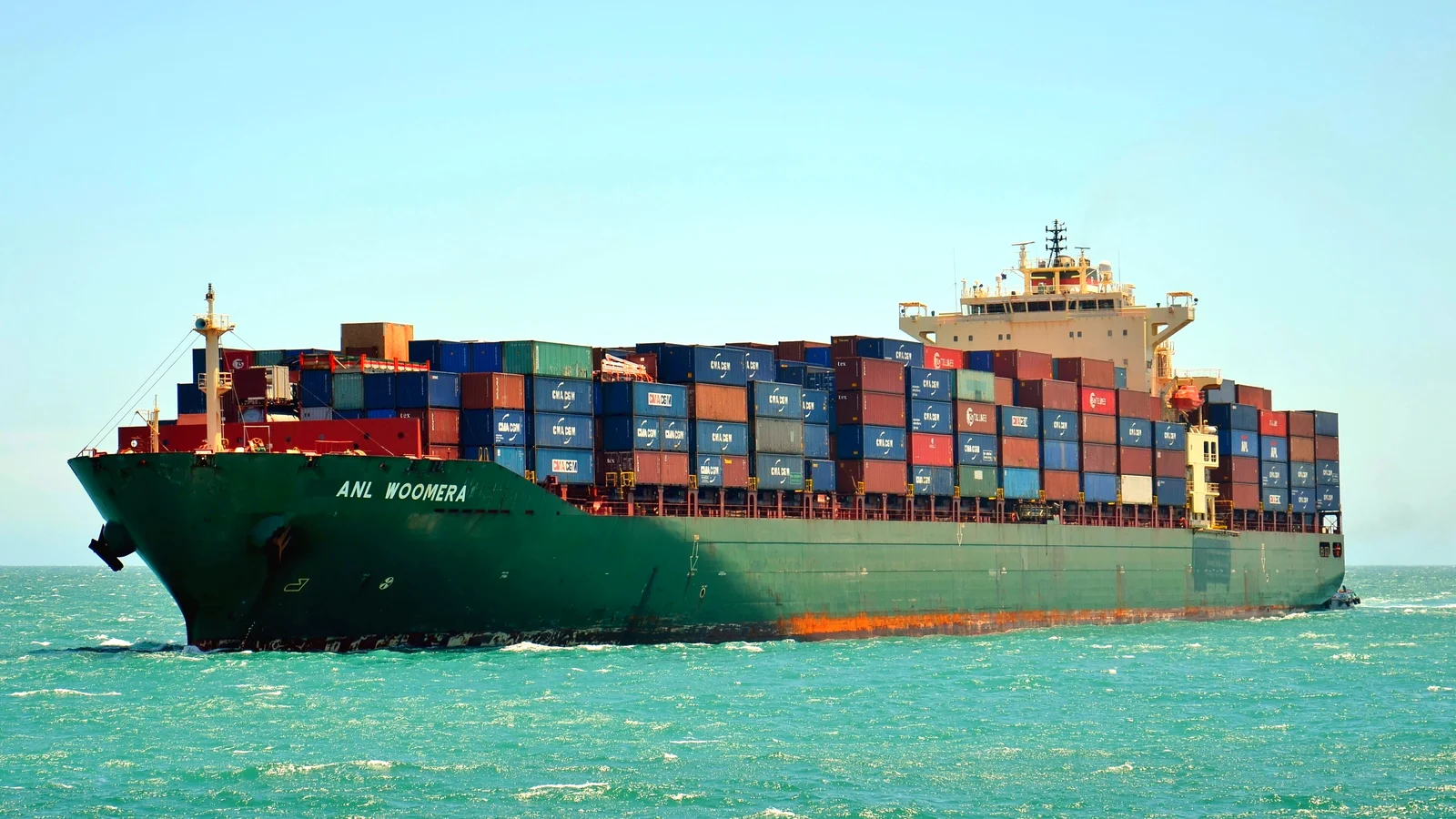
Thousands of miles of ocean sit between Port Klang and Felixstowe, yet a shipping container can close that gap while the rest of the world barely notices. If you’re shipping from Malaysia to the UK for the first time, the logistics can feel like a maze of acronyms: FCL, LCL, HS codes. Once you break the shipment down into ports, costs and paperwork, it stops being complicated.
What actually drives the price on this route
Shipping costs swing wildly depending on what you’re sending and how. Volume and weight matter, and so do the dimensions of your package. The kind of goods you’re shipping counts too, along with your transport mode, your insurance arrangement, and what time of year you book.
As a rough guide: air freight usually costs more than sea freight, though for small parcels a flight can come out cheaper. Goods carrying a hefty insurance premium will push your shipping bill up. LCL shipping rates tend to beat FCL when your cargo doesn’t fill a container.
Working all this out by hand is a headache. Comparing freight rates for your origin and destination ports, shipping dates and type of shipment lays out the options with a cost breakdown. Generally speaking, FCL shipping Malaysia to UK by sea, booked outside peak season, comes out as the cheapest route going.
How long does cargo take to reach the UK?
Fifty nine days. That’s the longest a door to door shipment from Malaysia to the UK might take, depending on your ports, your cargo and your chosen method.
Air freight is by far the quickest option, landing in the UK within three to five days of departure. Ocean freight takes a lot longer, sometimes up to 40 days before cargo even reaches a UK port. FCL also moves faster than LCL overall, since there’s less loading and unloading juggling at each end of the trip.
Here’s how the main routes break down for transit time between Malaysia and the UK:
Sea FCL: 30 to 40 days port to port, 55 to 59 days door to door
Sea LCL: 27 to 60 days port to port, 48 to 53 days door to door
Air cargo: 3 to 5 days port to port, 13 to 18 days door to door
Numbers like these are averages, not guarantees. Real transit time depends on carrier schedules and the season.
Timing your shipment (and why peak season bites)
Rates for sea and air freight move with the seasons, and FCL pricing is especially sensitive to this. Demand climbs from mid-August through mid-October as retailers stock up before the end-of-year shopping rush, container space tightens, and prices follow suit. Shipping outside that window is simply cheaper.
The exact week of the month matters too. Booking in the last two weeks saves money, since carriers are scrambling to fill remaining vessel space. Early in the month, costs often climb because carriers apply General Rate Increases to cargo slots. Booking early generally keeps the cost down.
Getting a rate
Rates vary too much for a flat number to mean anything useful. Compare freight journeys for your destination and shipping date, with transit details and a stage-by-stage cost breakdown so you can see where the money goes.
If you want something more precise, go for a tailored quote. You’ll need to supply your commodity type, HS code classification, and cargo weight, and the forwarder will follow up with options.
Packing the container properly
Weight, dimensions, and the right packaging materials all matter once you get to the physical business of loading your goods. People still get this wrong fairly often.
A load planner walks you through it: what equipment you need, your cargo’s dimensions, and your shipping method. At the end it generates an image showing roughly how your cargo will sit inside the container, plus the total volume and weight you’ll be working with.
Paperwork, permits and protecting your shipment
Cargo that’s properly packaged and labelled clears UK customs far more smoothly than cargo that isn’t. You’ll also need the right paperwork lined up before departure: a commercial invoice, packing list, bill of lading, certificate of origin, and a letter of credit or other agreed payment terms. The importer’s side, from the EORI number to the customs declaration, is set out in the UK government’s guide to importing goods. Shipping hazardous materials or other restricted goods often requires an additional special permit too.
Insurance sits alongside all of this, and we’d always recommend taking it out. If your shipment is lost or damaged in transit, insurance is often the only thing standing between you and a total write off. You can arrange cover through a freight forwarding community contact, or a third party insurance agent. Premiums generally run from roughly 0.3 up to 0.5 percent of whatever your commercial invoice says the shipment is worth.
Which ports matter
Malaysia’s major ocean cargo ports: Klang, Tanjung Pelepas, Pasir Gudang, Penang, Bintulu, Kuantan, and Labuan. For air cargo, Kuala Lumpur and Penang carry most of the volume.
On the UK side, ocean cargo mainly moves through Grangemouth, Felixstowe, London Gateway, Southampton, Tilbury, and Belfast, while air cargo comes in mostly via Birmingham, Glasgow, Manchester, and London Heathrow.
Your freight forwarder or supplier will often have a view on which port suits your specific shipment, based on location, customs handling, or an existing arrangement they already have in place.
Finding your route
None of this is as daunting as the acronyms suggest once you’ve shipped a container or two. Shipping from Malaysia to the UK comes down to pricing, timing and the practical paperwork. Figure out your ports, get a realistic quote, and the rest follows.
Frequently asked questions
How long does shipping from Malaysia to the UK take?
Sea FCL runs about 30 to 40 days port to port and up to 59 days door to door. Air cargo reaches the UK in 3 to 5 days.
Is LCL cheaper than FCL from Malaysia to the UK?
For cargo that does not fill a container, LCL usually costs less. A full container booked by sea outside peak season tends to be the cheapest per unit once volume is there.
Which ports are used between Malaysia and the UK?
Klang and Tanjung Pelepas lead on the Malaysian side. In the UK, ocean cargo mainly lands at Felixstowe, London Gateway and Southampton.