





















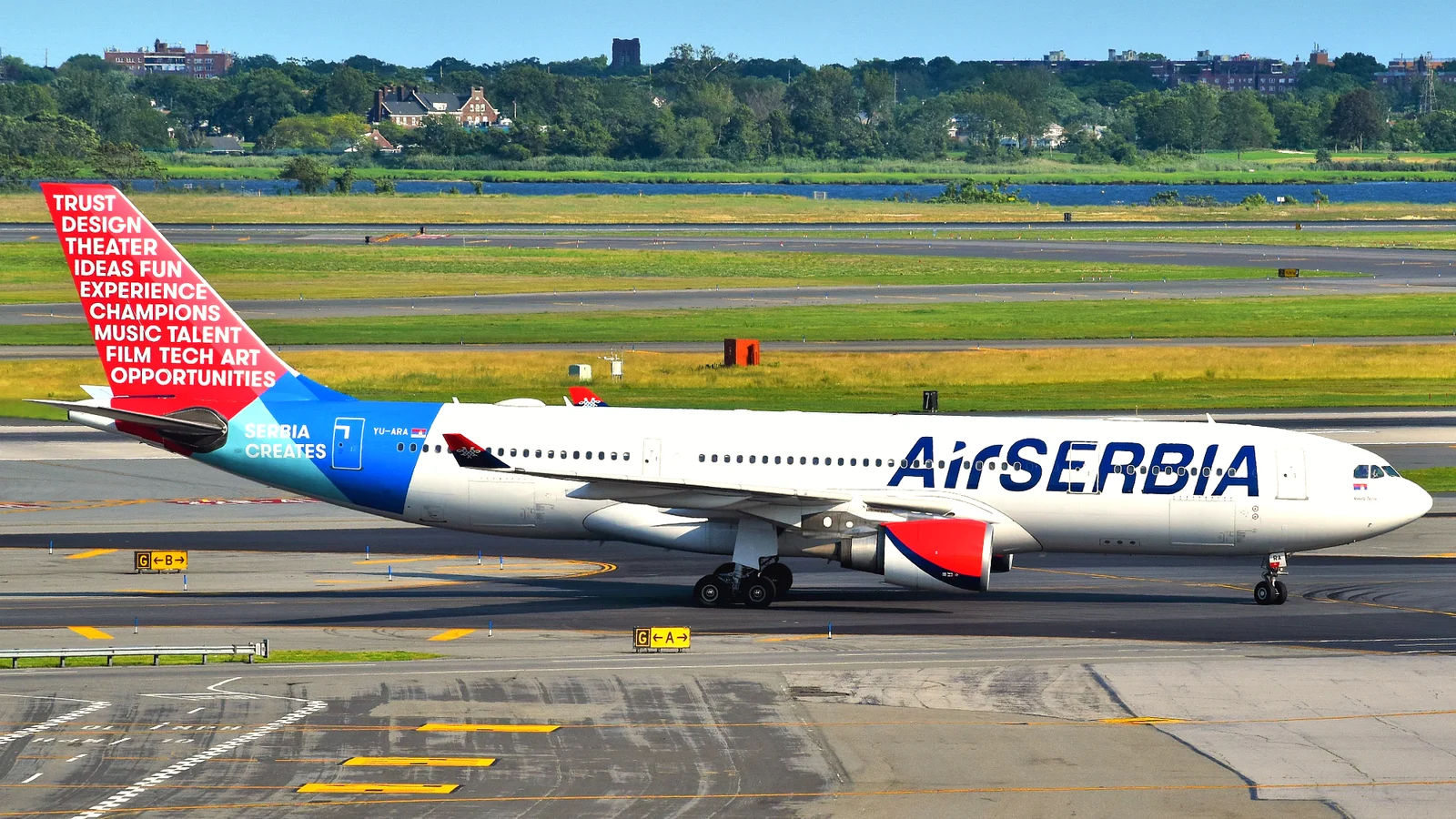
Some shipments cannot wait for the next cargo flight, and an onboard courier or a hand carry service exists for exactly those. The choice between them comes down to size, value and how many hours the receiver can afford to lose.
Flying Cargo in Commercial Cabins and Flight Routing
When standard cargo networks move too slowly for emergency shipments, placing high-value freight in the hands of a ticketed passenger buys absolute time. An onboard courier (OBC) boards a commercial flight carrying your small package, boxes, or parcels as hand luggage. For larger shipments, items go into the cargo hold and get retrieved right after landing. The courier personally escorts the goods directly to the recipient or an appointed local partner trustee.
Next Flight Out (NFO) routing works alongside hand-carry services. The logistics team maps the quickest commercial flight path, arranges airport transport, handles emergency customs clearance, and provides real-time tracking updates. A dedicated hand carry specialist keeps physical supervision over high-value & confidential freight throughout the transit, avoiding standard freight holding areas. This approach offers supply chain disruption mitigation without chartering an entire plane.
Weight Restrictions and Route Costs
Physical luggage limits determine how items move through commercial airports. Cabin hand luggage must stay under 10 kg, with maximum dimensions of 40 x 20 x 25 cm. Checked hold luggage allows packages weighing between 10 kg and 32 kg each, provided the sum of length, width, and height stays within 152 cm. Total consignment batches usually range from 150 kg to 200 kg, subject to airline approval. Larger or heavier shipments require standard air charter or specialized NFO arrangements. Dangerous goods are a separate gate: an onboard courier can carry them only where the IATA Dangerous Goods Regulations and the airline allow it.
Prices vary based on distance, cargo dimensions, transit time, required permits, and door-to-door hand delivery needs. Estimates across primary global trade lanes include:
- Europe to North America: ~$3,000 - $5,000 (approx. 12 hours, 7,000 km, up to 20 kg hand luggage)
- Asia to Europe: ~$3,500 - $6,000 (approx. 10-12 hours, 8,000 km, up to 20 kg hand luggage)
- Europe to Asia: ~$3,500 - $6,000 (approx. 10-12 hours, 8,000 km, up to 20 kg hand luggage)
- North America to South America: ~$2,500 - $4,500 (approx. 8 hours, 5,000 km, up to 20 kg hand luggage)
- Asia to North America: ~$4,000 - $7,000 (approx. 12-14 hours, 10,000 km, up to 20 kg hand luggage)
- Europe to West Africa (Dakar, Abidjan, Lagos): €3,000 - €4,000 (approx. 8 hours, 4,500-5,000 km, up to 20 kg)
- Europe to South Africa (Johannesburg, Cape Town): €3,500 - €5,000 (approx. 10-12 hours, 9,000-10,000 km, up to 20 kg)
- Europe to East Africa (Nairobi, Dar es Salaam): €3,500 - €5,500 (approx. 8-10 hours, 6,500-7,500 km, up to 20 kg)
Industry Uses and Alternatives
Time-critical logistics support specific commercial situations. Aerospace companies rely on onboard couriers for AOG (Aircraft On Ground) spare parts delivery. Healthcare providers ship urgent medical equipment and supplies. Automotive manufacturers move prototype parts to prevent assembly line shutdowns. Tech companies transfer sensitive devices, fashion brands transport expensive clothing or time-sensitive artwork, and individuals move confidential documents or personal valuables.
Standard shipping remains the practical choice when budgets are limited or when goods move on planned schedules. Oversized cargo, heavy pallets, and non-confidential goods belong on standard sea, air, rail, or road freight networks, and a regular air cargo shipment can be tracked by AWB. Navo’s guide to general and special air cargo covers what the standard network accepts.
Frequently asked questions
What is an onboard courier?
An onboard courier is a person who flies on a commercial passenger flight with your shipment, either as hand luggage or as checked bags, and delivers it to the recipient on landing. It is used when cargo services are too slow.
How much can an onboard courier carry?
Hand luggage usually has to stay under about 10 kg, and checked pieces between 10 and 32 kg each, with length, width and height adding up to no more than 152 cm. A whole consignment usually tops out around 150 to 200 kg, subject to airline approval.
When is next flight out better than an onboard courier?
When the goods are too big or heavy for passenger baggage but still urgent. Next flight out books the first available cargo space and handles the airport transfers and clearance, without a person travelling with the freight.