





















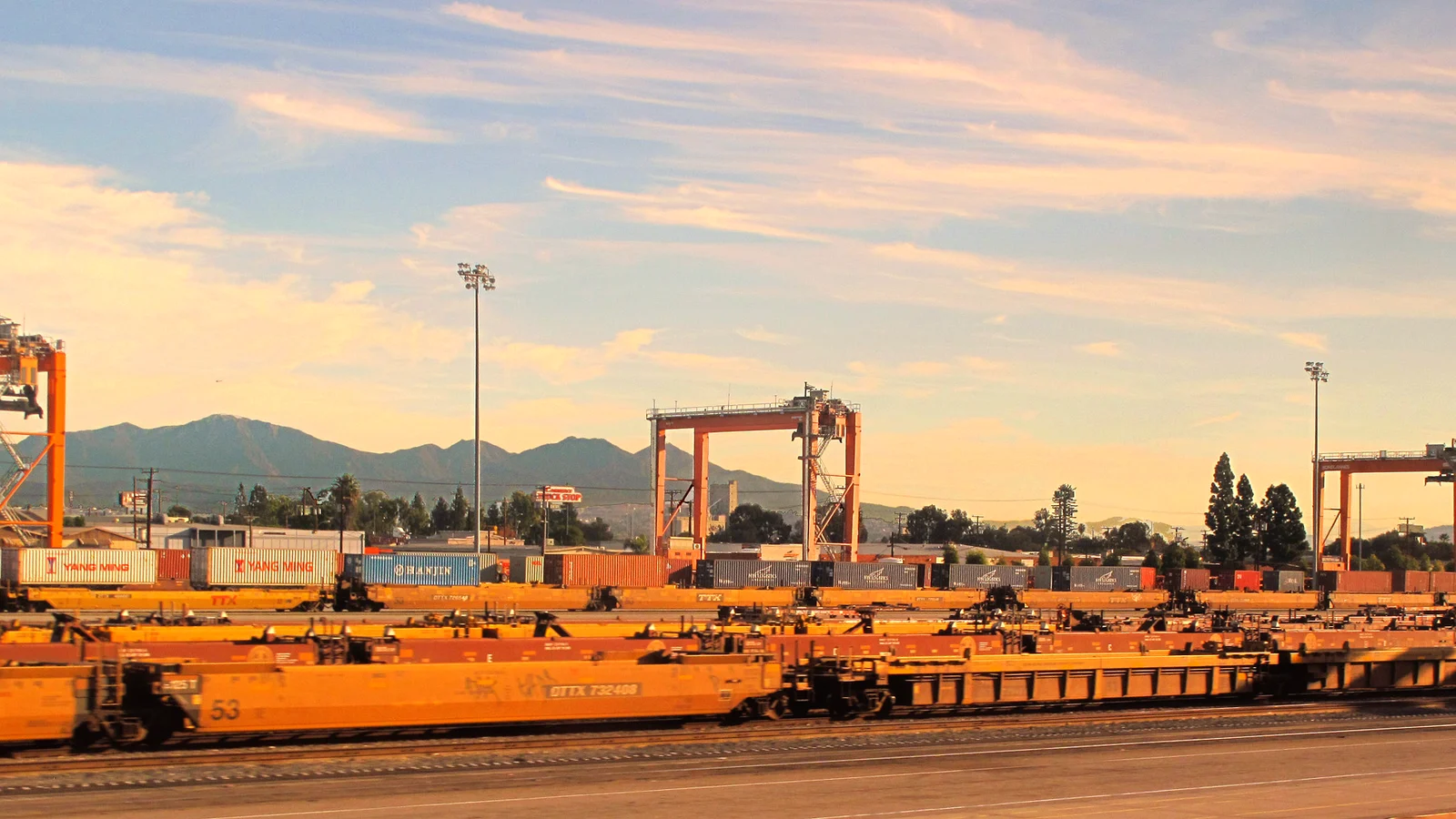
Shipping from South Korea to the US, say a container from Busan to Los Angeles, is less a single journey than a relay race with customs forms for batons.
What Drives the Cost of Shipping from South Korea to the US
Freight costs on the trans-Pacific trade lane swing on a handful of variables: how much you’re shipping, how heavy and bulky it is, what it actually is, and how you’re sending it. Insurance and the season you ship in matter too. A few patterns hold up generally when shipping from South Korea to the US. Air freight usually costs more than ocean freight, though for small parcels a plane can actually work out cheaper. Goods carrying a high insurance premium, often higher value goods, push the bill up. And if your cargo doesn’t fill a full container, that’s the classic FCL vs LCL decision point: LCL shipping (less than container load) tends to run cheaper than FCL shipping (full container load) for that smaller volume.
Comparing freight rates for your origin and destination ports, shipping date and cargo type narrows this down fast. The cheapest route, as a rule of thumb, is FCL by ocean, booked outside peak season.
How Long Transit Actually Takes
Door to door, a shipment from South Korea to the US can take as long as 53 days. The real number depends on your ports, your cargo, and your mode of transport. Air freight is fastest, landing in 2 to 8 days. Ocean freight is the slower route, with transit stretching up to 40 days before goods reach their US port. Which mode you choose decides where in that spread your shipment lands.
Timing Your Shipment Around Peak Season
Here’s where things get seasonal. Mid-August through mid-October is peak season on this lane, the rush ahead of holiday retail. Demand climbs, container space tightens, and rates go up in response. Shipping outside that window costs less.
There’s a smaller rhythm within each month too. Carriers scrambling to fill vessel space often drop rates in the back half of the month. Early month bookings can cost more, partly because General Rate Increases (GRIs) tend to land right around then. Book early where you can. The cheapest freight usually goes to shippers who reserved space ahead of time.
Getting an Actual Rate
Rates on this lane move constantly, so quoting a flat number here would do you no favors. Compare routes side by side for your destination and ship date, down to transit time and a cost breakdown per leg. Want something more tailored? Give a forwarder your commodity, its HS code and its weight, and ask for options built around that.
Paperwork You Can’t Skip
Smooth customs clearance in the US starts with correctly packed, correctly labeled cargo. Beyond that, you’ll need the paper trail: a commercial invoice, a packing list, a bill of lading, a certificate of origin, and a letter of credit or other agreed payment terms. US entry documentation rules sit in 19 CFR Part 141. Certain goods require an importation permit, and hazardous materials in particular call for their own additional clearance permit.
Should You Insure the Container?
Yes. Full stop. If your cargo gets damaged or disappears in transit, insurance is frequently the only thing standing between you and a total loss. You can source a policy through a freight forwarder’s network, or through a third party agent. Expect the premium to land somewhere between 0.3% and 0.5% of whatever your invoice says the cargo is worth.
Ports Worth Knowing, on Both Ends
In South Korea, Pusan, Ulsan, and Incheon handle the bulk of ocean cargo, while Pusan, Jeju, and Seoul cover air freight. Your supplier or forwarder will usually have a preference already, shaped by location, customs handling, or a standing relationship with a particular terminal.
Stateside, ocean cargo mostly clears through Los Angeles, New York, and Houston. Air cargo spreads wider, with Chicago O’Hare, New York JFK, Atlanta, Boston, and Philadelphia all seeing significant volume. Rates on this lane change often, so it’s worth checking current numbers before you book, and once the box sails you can track the container to the US port.
Frequently asked questions
How long does shipping from South Korea to the US take?
Air freight lands in 2 to 8 days. Ocean freight takes up to 40 days to reach a US port, and a door to door move can stretch to around 53 days depending on ports and mode.
When is peak season on the South Korea to US lane?
Mid-August to mid-October, ahead of holiday retail. Rates rise as container space tightens, so shipping outside that window usually costs less.
Which US ports handle most Korean ocean cargo?
Mainly Los Angeles, New York and Houston. On the Korean side, Pusan, Ulsan and Incheon handle most of the ocean volume.