





















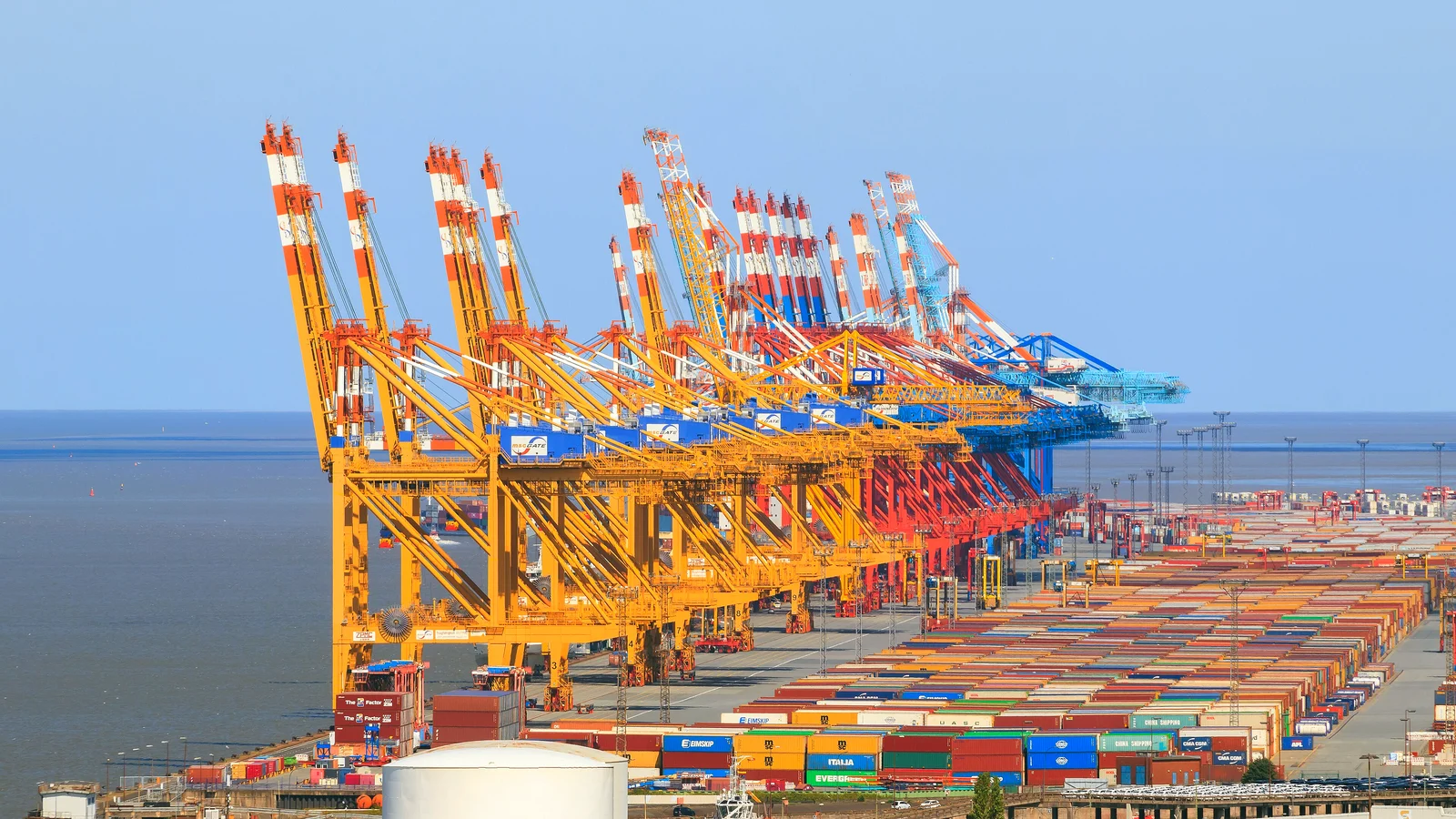
Taiwan sits at one end of a major ocean shipping lane, and Germany sits near the other, home to some of the ports that handle European imports. Shipping from Taiwan to Germany is routine work for freight forwarders, but the details of cost, timing and paperwork still trip up shippers who assume one route or one season behaves like any other.
This guide covers what actually moves the price and the transit time on a Taiwan to Germany shipment, plus the documents and ports you’ll be dealing with along the way.
What Drives Freight Prices on This Route
Shipping costs move around a lot, and the biggest swings come from how big, heavy and bulky your shipment is, plus what goods you’re moving and which mode of transport you pick. Season and insurance play into the final number as well.
Air freight usually costs more than sea freight, though small packages can sometimes travel cheaper by plane than by container. High-value goods carrying a bigger insurance premium push the price up as well. If your shipment doesn’t fill a container, LCL, less than container load, works out cheaper than paying for a full one you don’t need, which is really the core of the FCL vs LCL shipping decision most exporters end up making.
Comparing freight rates is the fastest way to sort through these variables. Enter your ports, your ship date and your cargo type, and it lays out the options. As a rule of thumb, FCL by ocean outside peak season tends to be the cheapest way to move freight from Taiwan to Germany.
For a firmer number, a forwarder will want the commodity type, HS code and weight, and comes back with quote options rather than a general estimate.
How Long Does It Take to Move Cargo from Taiwan to Germany
A door-to-door move between the two countries can eat up as many as 57 days, depending on your ports, what you’re shipping, and how you’re shipping it.
Air is fastest: 4 to 7 days port to port. Ocean freight takes longer, up to 30 days port to port, and FCL moves faster than LCL because there’s less handling on either end when a container doesn’t need to be split apart or consolidated with other shipments.
The breakdown looks like this:
Sea FCL: 27-30 days port to port, 49-54 days door to door
Sea LCL: 30-33 days port to port, 52-57 days door to door
Air cargo: 4-7 days port to port, 9-14 days door to door
Kaohsiung to Hamburg transit time generally sits within these same ranges, though actual timing shifts with port congestion, carrier schedules and the season you’re shipping in.
Timing It Right: Peak Season and General Rate Increases
Mid-August through mid-October is peak season for this route, running up to the holiday shopping rush. During that window air and sea rates climb, particularly for FCL, as more shippers compete for a shrinking pool of container space. Booking outside that window keeps costs down.
Timing within the month counts too. Carriers try to fill vessel space as the month winds down, so booking in that stretch tends to be cheaper, while the start of the month often brings general rate increases (GRIs) that carriers apply to cargo spots. Combine peak season surcharges with a poorly timed GRI and the same shipment can cost noticeably more than the same cargo booked a few weeks earlier or later. Book early where you can.
Packing Your Container and the Paperwork You’ll Need
Getting the packaging right matters as much as the paperwork does. Weight, dimensions and packaging materials all affect how your shipment moves through customs on the German side. A load planner walks through the equipment you’ll need, your cargo dimensions and your shipping method, then produces an image of what your load looks like inside the container along with its total volume and weight.
On the documentation side, correctly labeled cargo paired with the right paperwork keeps customs clearance in Germany moving. You’ll typically need:
Commercial Invoice
Packing List
Bill of Lading
Certificate of Origin
Letter of Credit or other payment terms
German customs publishes the import procedure on the Zoll import pages. Certain goods, including hazardous materials, may call for an additional permit before they’re cleared to ship.
Cargo Insurance
We tell every shipper to insure their cargo. If a shipment from Taiwan to Germany gets damaged or goes missing in transit, insurance is often the only thing standing between you and a total loss. Insurance is available through freight forwarders or third-party agents. Expect to pay somewhere around 0.3 to 0.5 percent of what’s on your commercial invoice.
Ports on Both Ends
Your factory contact, supplier or freight forwarder on the Taiwan side will usually have a view on which port fits best, shaped by location, customs handling, cargo volumes at each terminal, or by an existing arrangement your factory already has with a particular port.
Ocean cargo ports in Taiwan: An-Ping, Hualien, Kaohsiung, Keelung, Mailiao, Ma-Kung, Su-Ao, Taichung, Taipei.
Air cargo ports in Taiwan: Taipei, Taichung.
On the German side, ocean freight mostly comes ashore at Hamburg, Bremerhaven or Bremen. Air cargo has more options: Dusseldorf, Frankfurt, Berlin-Tegel, Munich, Nuremberg.
Finding the right route for shipping from Taiwan to Germany doesn’t have to mean guessing. Lay pricing and routing options side by side, compare Kaohsiung to Hamburg against other lanes, and book with a clear idea of the cost and timeline.
Frequently asked questions
How long is the Kaohsiung to Hamburg transit time?
Sea FCL usually runs 27 to 30 days port to port and 49 to 54 days door to door, shifting with congestion, carrier schedules and season.
Why are rates higher at the start of the month?
Carriers often apply General Rate Increases at the start of a month, while late in the month they try to fill remaining vessel space, so bookings then tend to be cheaper.
Which German ports receive ocean cargo from Taiwan?
Mostly Hamburg, Bremerhaven and Bremen. Air cargo comes in through Frankfurt, Munich, Dusseldorf, Berlin and Nuremberg.