





















Freight rates between Hong Kong and Canada rarely sit still. They drift with fuel prices, container availability and the calendar itself, and picking the right route usually comes down to matching your cargo’s own restlessness to a mode of transport that can actually carry it. If you’re watching container shipping rates the way most importers are right now, the fundamentals underneath haven’t shifted much: what you’re shipping, how much, and when, still decide most of the bill. How fast you need it there and which Canadian port it’s landing at matter too. This guide walks through the practical side of Hong Kong to Canada shipping.
What actually pushes Hong Kong to Canada freight prices up or down
Volume, weight, dimensions, these are the obvious ones. What you’re actually shipping and which mode carries it matter just as much, and so does insurance, and honestly, so does the time of year you pick.
Air freight usually costs more than sea freight, though for small packages the math can flip and flying ends up cheaper. Expensive cargo drags a higher insurance premium along with it, which pushes total shipping costs up too. If your goods don’t fill a container, LCL shipping (less than container load) tends to run cheaper than booking a full container, FCL, outright.
Working through all these variables by hand is a lot. Comparing freight rates for your origin and destination ports, shipping date and cargo type surfaces real options. As a rule of thumb, FCL by ocean booked outside peak season ends up the cheapest way to move freight between these two points.
Transit time: how long cargo actually takes
Door to door, moving freight from Hong Kong to Canada can take as long as 42 days. The real number depends on your ports, what you’re shipping and the transportation method you pick.
Air is fastest by a wide margin, 3 to 6 days port to port. Ocean freight stretches out considerably longer, up to 35 days to reach a Canadian port. FCL also tends to move faster than LCL simply because there’s less loading and unloading logistics tangled up at both ends of the trip.
Here’s how transit windows break down across the main shipping methods:
FCL by sea: 15 to 30 days port-to-port, stretching to 25-35 days for door delivery
LCL by sea: 18 to 35 days port-to-port, with door-to-door landing at 28-42 days
Air freight: 3 to 6 days port-to-port, 8-13 days once you factor door delivery
Timing your shipment
Rates for both air and sea freight, FCL especially, move with the seasons. Mid-August through mid-October counts as peak season here, everyone’s racing to stock shelves before the holidays hit, and that rush pushes prices up as demand climbs and container space runs short.
Even within a single month, timing matters. Booking in the last two weeks tends to be cheaper, carriers are still trying to fill vessel space. Early in the month is often pricier, that’s when General Rate Increases (GRI) tend to land on cargo spots. Planning your booking around this cycle can meaningfully affect your rate.
Getting an actual rate quote
Given how much rates swing, a workable quote comes out of a few basic inputs, your destination and shipping date included. From there you can compare different freight journeys side by side, see how each one gets processed, how long transit runs, and a cost breakdown for every leg so budgeting doesn’t turn into guesswork.
Want something more tailored? There’s a longer form for that too, one that asks for details like your commodity type, the applicable HS Code, and cargo weight. A forwarder follows up from there with options built around your shipment specifically.
Packing the container
Before cargo reaches the port, you’ll need to nail down its weight, dimensions, and packaging. This step takes some effort, but it’s a necessary one.
A load planner handles most of the heavy lifting. Answer a handful of questions, what equipment you’ll need, your cargo’s dimensions, which shipping method you’re using, and it renders an actual image of how your load sits inside your chosen container, along with total volume and weight.
Paperwork you can’t skip
Properly packed and labelled cargo tends to clear Canadian customs without much trouble. Shipments usually stall over paperwork gaps instead: a commercial invoice, a packing list, and, for certain goods, an importation permit are all required rather than optional extras.
Documents you’ll need shipping to Canada:
Commercial Invoice
Packing List
Bill of lading
Certificate of origin
Letter of Credit or other payment terms
The Canada Border Services Agency sets out the importer’s steps on its importing guide. Hazardous materials or other restricted goods may call for a special permit on top of the standard set.
Insuring the shipment
Insure it. Every time, no exceptions worth making. Cargo insurance is frequently the only real protection standing between you and a total loss if a shipment gets damaged or goes missing entirely.
You can source coverage through a freight forwarder or an independent insurance broker. Costs generally land somewhere between 0.3% and 0.5% of your commercial invoice value.
Major ports on both ends
Hong Kong runs both its ocean and air cargo through the same hub, Hong Kong (HK HKG).
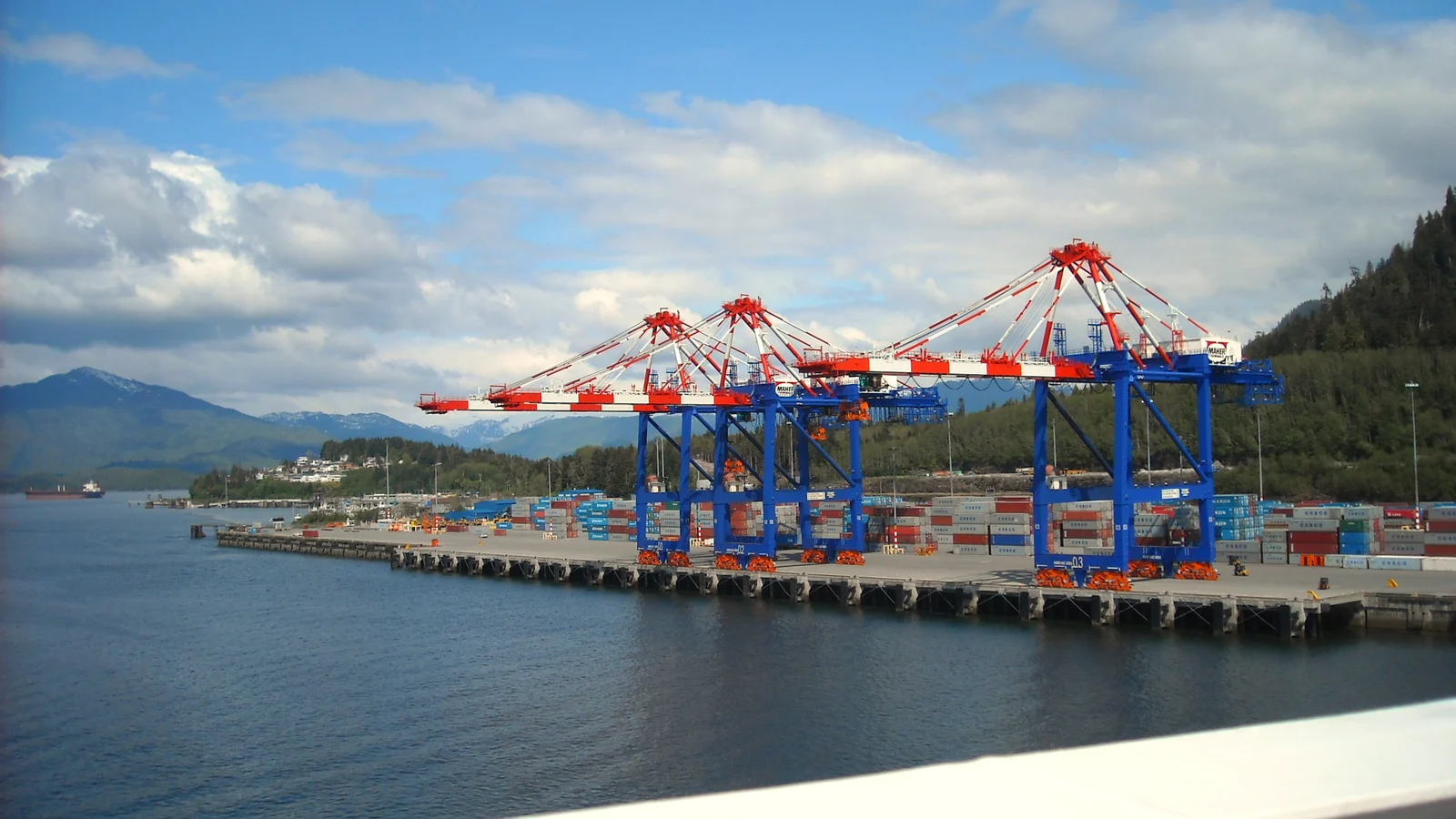
Canadian ports are more numerous. Ocean cargo moves through Vancouver, Montreal, Prince Rupert, Halifax and Saint John, while air cargo runs through Toronto, Vancouver, Calgary and Montreal.
Finding your route
New trade lanes look complicated until you’ve actually mapped one. Hong Kong to Canada shipping comes down to the mode, the booking week, the paperwork and the port pair, and once the box sails you can track the container into Vancouver or Prince Rupert.
Frequently asked questions
How long does Hong Kong to Canada shipping take?
FCL by sea runs 15 to 30 days port to port and 25 to 35 days door to door. Air freight takes 3 to 6 days port to port.
Which Canadian ports take cargo from Hong Kong?
Ocean freight lands at Vancouver, Prince Rupert, Montreal, Halifax and Saint John. Air cargo comes through Toronto, Vancouver, Calgary and Montreal.
How much does cargo insurance cost on this lane?
Premiums usually land between 0.3% and 0.5% of the commercial invoice value, arranged through a freight forwarder or an independent broker.